
Which Plumbing Repairs Can I Do Myself? It Depends on the Fixture
The faucet in the primary bath has developed a drip. A video turns up promising a ten-minute fix, filmed by someone whose whole bathroom cost less than your fixture. The procedure looks simple enough. That's the part worth pausing on.
So which plumbing repairs can I do myself? Several of them, and the EPA actively encourages homeowners to fix common household leaks. Which ones make sense in your house depends less on the repair itself and more on what you're repairing.
Below, we'll give you the list of repairs most homeowners can handle without trouble. Then we'll cover what changes when the fixture is a premium one. You'll also get three things to check before you start, and the systems worth leaving alone entirely.
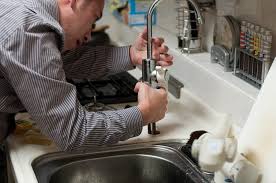
Which Plumbing Repairs Can I Do Myself?
Several, and the EPA actively encourages homeowners to fix common leaks.
Reasonable to handle yourself:
A running toilet, usually a worn flapper
A clogged sink or toilet, with the right plunger
A slow bathroom drain, often hair at the stopper
A mineral-clogged showerhead
A leaking washing machine hose
Leave these alone:
Anything involving gas
Water heaters, tankless or tank
Water softeners, filtration, and recirculation pumps
Repairs inside walls or under the slab
Any fixture with a finish or part you can't replace
Check three things first: your shutoff works, you have the right replacement part, and you know how it goes back together.
Past your comfort line? See plumbing repairs in Southlake.

The Question Is Really About the Fixture
Most advice on this topic sorts plumbing by task. Replacing a cartridge goes in the easy column, water heater work goes in the hard one, and that's the whole system. It's only half the picture.
Think about what a cartridge replacement actually involves. The procedure is identical in a builder-grade faucet and in a designer one. Same steps, same tools, same amount of time. What differs is what happens when it doesn't go smoothly.
Three things change with the fixture. Whether the part is available at all. Whether the finish survives contact with a wrench. And whether a mistake stays invisible or becomes something you look at every morning.
So the useful question comes before the how-to video. Ask what you're working on, then ask what you're doing.
Repairs Most Homeowners Can Handle
Start with the repairs that go well for most people. These share a useful trait: if they don't work out, you stop, and nothing is worse than when you started.
A running toilet. Usually a worn flapper, a small part that drops into place without tools. The EPA's Fix a Leak Week program names it among the most common household leaks, and one homeowners can handle themselves.
A clogged sink or toilet. A flange plunger for toilets, a flat one for sinks, and decent technique handles most of these.
A slow bathroom drain. Lift out the pop-up stopper and you'll usually find hair wrapped around it. That's the whole repair.
A clogged showerhead. Mineral buildup blocks the spray openings. Soaking the head loosens it.
A leaking washing machine hose. A known failure point, and the swap takes minutes with the valves closed.
Worth knowing how much this adds up to. The EPA puts household leaks at nearly a trillion gallons wasted nationwide each year. The average home loses around 10,000 gallons annually to leaks nobody fixed.
What Premium Fixtures Change
Now the part that changes the math in a Southlake home. A premium fixture turns four ordinary variables into real ones.
Parts aren't interchangeable. High-end fixtures often use manufacturer-specific cartridges, valves, and seals. The hardware store equivalent looks close and doesn't fit, which means a disassembled faucet and a weekend of waiting.
Finishes don't forgive. Living finishes, brushed metals, and specialty coatings scratch permanently. An unpadded wrench or a slipped screwdriver leaves a mark that no amount of polishing removes.
Lead times can be long. Specialty parts sometimes ship from the manufacturer, and occasionally from overseas. A fixture out of service for a few days is annoying. A few weeks is something else.
Warranty terms vary. Many premium manufacturers have requirements about who installs and services their products. Worth reading before the first screw comes out.
Same procedure, different margin for error. That's the whole difference.
Three Checks Before You Start
Three questions, asked before anything comes apart. All three need a yes.
Does the shutoff work? Find the valve for that fixture and close it. If it won't turn, or it closes partway and keeps dripping, stop. That valve is now the repair, and it comes first.
Do you have the right part in hand? Identify the manufacturer and model before you order anything. Many fixtures have the model stamped underneath or behind the handle. Guessing means taking it apart twice.
Do you know how it goes back together? Photograph every step as you go, including the order the pieces come off. Reassembly is where most weekend repairs come undone.
Three yeses and you're in good shape. One no is the signal to stop before the water is off and the fixture is in pieces.
Systems That Aren't DIY, Whatever the Video Says
Some systems stay off the list no matter how confident you are or how convincing the video is.
Anything involving gas. Lines, connections, gas water heaters. The failure mode isn't a puddle.
Water heaters, tank or tankless. Water, heat, venting, and either gas or high-voltage electricity in one appliance.
Water softeners and filtration systems. These tie into your main supply, and a mistake affects every fixture in the house.
Recirculation pumps. Common in larger homes, and tied into both the hot water system and electrical.
Steam showers and body-spray valve systems. Multiple valves, precise balancing, and finished walls on all sides.
Outdoor kitchens, pool fill lines, and irrigation backflow preventers. Backflow devices protect your drinking water and are regulated.
Anything inside a wall or under the slab. You can't watch the damage happen.
None of this is about doubting your skills. It's about what sits downstream of a mistake. Southlake plumbing repairs on these systems are worth handing off.
Smart Leak Detection Is the DIY Upgrade Worth Making
Here's a project that is genuinely DIY and prevents the damage this whole article is trying to avoid.
Small leak sensors are homeowner-installable, and they go exactly where slow leaks start. Under each sink, behind toilets, near the water heater, and beside the washing machine. Most pair to your phone and alert you the moment they sit in water.
That covers the failure mode that does the most damage in a large house. Not the dramatic burst, but the slow drip behind a cabinet that nobody notices for three months.
Whole-home systems are a different category. Those tie into your main line, shut off the water automatically, and need a plumber to install. The sensors are the easy win, and they're the one worth doing this weekend.
Plumbing in Southlake Homes
Southlake homes come with more plumbing than most. More bathrooms, bigger kitchens, and often a pool and an outdoor kitchen on top of that. More fixtures means more small repairs, and more chances to decide which ones are yours.
Age matters here too. Established neighborhoods like Timarron and Carillon have houses old enough that original fixtures are wearing out. Cartridges wear, seals harden, and a drip that wasn't there last year shows up.
The fixtures themselves are the local wrinkle. Premium finishes and manufacturer-specific parts are common in these homes. So are whole-home systems that a newer or smaller house wouldn't have. Both move the DIY line.
That's the judgment worth getting right. A flapper is a flapper anywhere. A designer valve in a finished wall isn't. Our Southlake plumbers can tell you which one you're looking at.
Frequently Asked Questions
Homeowners can safely handle a running toilet, plungable clogs, and hair at a sink stopper. A mineral-clogged showerhead and a leaking washer hose are two more. The EPA names several of these among the common household leaks worth fixing yourself.
Sometimes, depending on the faucet. The procedure is straightforward, but premium fixtures often use manufacturer-specific cartridges that have to be ordered. Identify the brand and model before you take anything apart.
Never attempt gas work, water heater repairs, or anything inside a wall or under the slab. Water softeners, filtration systems, recirculation pumps, steam shower valves, and backflow preventers belong on that list too. These aren't skill questions, they're consequence questions.
A leak is serious when you can't see where it's coming from, or when it's reaching a wall, cabinet, or floor. A leak that keeps returning after a repair counts too. Slow hidden leaks cause more damage than obvious ones because nobody finds them for months.
A flange plunger, a flat plunger, adjustable pliers, a basin wrench, plumber's tape, and a bucket cover most basic repairs. Add cloth or tape to pad any tool that touches a finished surface. That last one protects the fixture more than any technique.
Fifty Years of Southlake Fixtures
Fix the flapper yourself. Soak the showerhead, pull the hair out of the stopper, and skip the service call for any of it. We'd rather tell you something is a ten-minute job than drive out for it. When the fixture is worth protecting or the system runs through the whole house, that's when the call makes sense.
Berkeys started in Southlake in 1975, so we've been working on fixtures in these neighborhoods for fifty years. Serving Southlake since 1975. Our state-licensed plumbers also work in Trophy Club, Grapevine, Colleyville, Keller, Westlake, and Roanoke.
Plumbing emergencies happen anytime. Call 24/7 and we'll prioritize your urgent request. Southlake homeowners rate us 4.9 stars on Google across more than 1,300 reviews. See what they say about Berkeys in Southlake.
Business Address: 1070 S Kimball Ave Suite 131, Southlake, TX 76092
Call (817) 481-5869 for plumbing repairs in Southlake.
We're There When You Need Us!
877-746-6855 
Berkeys Plumbing, A/C & Electrical in Southlake • 1070 S Kimball Ave Suite 131, Southlake, TX 76092 • 817-481-5869