
What's the Difference Between a Plumbing Inspection and a Home Inspection?
A home inspection does cover plumbing. That surprises people who've been told the opposite. Texas standards require a home inspector to visually check plumbing fixtures and report problems with any water supply, waste-water, and vent pipes that are accessible and visible.
So your home inspection wasn't skipping the plumbing. It was working to a defined scope, and that scope is where the difference lives. Three words carry all the weight: accessible and visible.
Below, you'll see what a home inspection is required to cover on the plumbing side, including the specific details recorded on the standard report form. Then you'll see exactly where that scope ends, what a plumbing inspection picks up from there, and how to read the plumbing section of a report you may already have in a drawer. Berkeys has worked in Southlake since 1975.
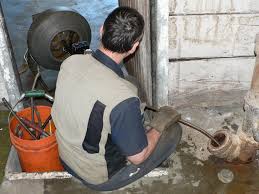
What's the Difference Between a Plumbing Inspection and a Home Inspection?
A home inspection covers the whole house, including a visual check of plumbing. A plumbing inspection covers only the plumbing, and goes past what's visible.
A home inspection records the water meter and main valve locations, static water pressure, supply and drain pipe materials, and the water heater.
Texas standards limit it to accessible and visible components, reported from a visual check.
A plumbing inspection adds what that leaves out: the sewer line by camera, fixtures tested individually, and shutoffs checked one by one.
Most buyers get both. The home inspection finds the obvious; the plumbing inspection finds what's buried. Want a closer look? Learn about our plumbing inspection in Southlake.

What a Home Inspection Is Hired to Do
A home inspection is one visit covering an entire house. Structure, roof, electrical, heating and cooling, plumbing, appliances, and optional systems like irrigation.
That breadth is the whole point. You're buying a house, not a plumbing system, and you need a picture of everything at once. A good home inspector gives you that in a few hours.
The job calls for a generalist, and that's a design choice rather than a shortcoming. Someone has to look at the roof, the panel, the foundation, and the water heater in the same morning and tell you which ones need attention first.
Texas home inspectors also work to a standardized report form, which means you can compare what you received against what the standard requires. That's more useful than most buyers realize, and we'll come back to it.
What Texas Requires on the Plumbing Side
More than most people expect. The Texas Real Estate Commission addresses this directly: a home inspector is required to perform a visual check of plumbing fixtures and associated items.
That check covers the type and condition of water supply pipes, waste-water pipes, and vent pipes, with deficiencies reported. TREC also points inspectors to the Texas State Board of Plumbing Examiners, since some plumbing activities require a license from that board.
What the standard report form records:
Location of the water meter
Location of the main water supply valve
Static water pressure reading
Type of supply piping material
Type of drain piping material
Water heating equipment
Gas distribution systems and gas appliances
Look at that list again. Your main shutoff location and your water pressure reading are both on it, and both are genuinely useful to have. Most homeowners never open the report far enough to find them.
Where "Accessible and Visible" Stop
Here's the hinge. Everything above applies to plumbing someone can see and reach. Most of your plumbing isn't.
The sewer line. It runs underground from your house to the main. A home inspection doesn't go down it, and Texas standards don't require inspecting buried components.
Supply lines under a slab. In a slab home, water lines run beneath concrete. Nobody is looking at those during a home inspection.
Anything inside a wall or above a ceiling. Pipes behind finished surfaces are out of scope, which is most of the pipe in your house.
Components that aren't required to be operated or taken apart. A visual check is a visual check.
This isn't an inspector cutting corners. It's the scope they're working to, published by the state, and they're meeting it. The gap is structural, not personal.
What that means practically is simple. The parts of your plumbing most likely to cause an expensive surprise are the parts a home inspection isn't built to see.
What a Plumbing Inspection Adds
A plumbing inspection starts where that scope ends. One system, examined closely, including the parts nobody can see from a walkthrough.
The sewer line, by camera. This is the biggest single gap. A camera travels the line and shows its condition, which is the only way to know what's down there before you own it.
Fixtures and shutoffs, individually. Not a sample. Every shutoff valve gets checked, including whether it actually turns, which is the kind of thing you'd rather learn now.
The water heater, in detail. Age, condition, connections, and whether it's been installed the way it should be.
Pressure and supply issues, traced. A static pressure reading tells you a number. A plumbing inspection asks what's causing it.
Specialty fixtures, identified. Southlake homes often have fixtures that need specific parts, and knowing what you have now saves a search later. Here's what that means for repairs down the road.
How to Read the Plumbing Section of Your Report
If you've already had a home inspection, go find the report. The plumbing section tells you more than you'd think.
Start with the recorded fields. Water meter location, main shutoff location, static water pressure, supply pipe material, drain pipe material. That's a useful baseline for your house, written down by someone who looked.
Check what's marked not inspected. The form lets an inspector note items that weren't inspected. Those aren't failures, they're gaps, and they tell you where to look next.
Understand what "no deficiencies noted" means. It means nothing visible looked wrong during a visual check. It doesn't mean the sewer line is clear or that nothing is leaking under the slab. Those weren't in scope.
Note the pressure reading. If it's on the high side, that affects every fixture in the house, and it's worth asking a plumber about.
If something in the section isn't clear, your inspector can explain what they saw. That's a reasonable question, and most are glad to answer it.
Which One You Need, and When
These aren't competing options. They answer different questions, and most situations call for a specific one.
Buying a home. Get both. Schedule the plumbing inspection inside your option period, alongside the home inspection, so both reports land while you can still act on them.
Just moved in. A plumbing inspection fills the gap the home inspection left. You already have the visible picture; this adds the buried one.
An older home, or one with specialty fixtures. A plumbing inspection. More fixtures and more history mean more that a sampled visual check will miss.
Problems that keep coming back. A plumbing inspection. A home inspection captures a moment; it isn't built to chase a pattern across months.
Nothing wrong, and you're just curious. A plumbing inspection still gives you a baseline, which makes every future problem easier to judge against.
If you're new to the house and working out what else to learn, start with what to sort out first.
Southlake Homes and What That Means
A few things about homes here change how much a sampled check can tell you.
More fixtures, more to miss. A larger home has more sinks, more toilets, more shutoff valves, and more supply connections. A visual check that samples a few of them covers a smaller share of the total.
Specialty fixtures need identifying. Knowing which fixtures you have, and whether their parts are standard, matters later. A home inspection notes condition. It isn't there to catalog what you own.
Irrigation sits in a different category. On the standard home inspection form, landscape irrigation is listed under optional systems rather than the plumbing section.
Pool and outdoor equipment. Connections for pool equipment and outdoor kitchens are worth looking at specifically, since they're exposed to weather that indoor plumbing never sees.
Plumbing Inspection in Southlake
Berkeys started in Southlake in 1975, and we've been inspecting plumbing in these homes ever since. We serve Southlake, Trophy Club, Grapevine, Colleyville, Keller, Westlake, and Roanoke.
Bring your home inspection report if you have one. We'll tell you what it already answered, and we'll focus on what it couldn't reach. There's no point paying twice for the same information.
What you'll have afterward is a picture of your plumbing that goes past the visible: the condition of what's buried, which shutoffs work, what your fixtures are, and what's worth watching.
Why Southlake homeowners call Berkeys:
Licensed plumbers who are background-checked
Southlake's original trusted plumbers, serving the city since 1975
Free estimates available
Transparent pricing before any work begins
A 4.9-star Google rating from more than 1,300 Southlake reviews
We answer calls 24/7, and same-day service is available. You can read our Southlake Google reviews to see what your neighbors say. When you're ready, learn more about our plumbing inspection in Southlake.
Frequently Asked Questions
Yes. Texas standards require a home inspector to visually check plumbing fixtures and report problems with accessible and visible water supply, waste-water, and vent pipes. The report form also records your water meter location, main valve location, static water pressure, and pipe materials.
Not the underground portion. Texas standards don't require inspecting buried components, so the line running from your house to the main isn't part of it. A camera inspection is a separate service.
Most buyers benefit from both. The home inspection gives you the whole house at a visual level. The plumbing inspection goes deeper into one system, including what's buried or behind walls.
It records the water meter and main shutoff locations, a static water pressure reading, supply and drain pipe materials, water heating equipment, and gas distribution, along with any visible deficiencies.
Inside your option period if you're buying, so the findings arrive while you still have choices. If you've already closed, sooner is better than later.
See What the Report Couldn't Reach
Have a home inspection report and want to know what it left out? Our Southlake plumbers can fill in the buried half. You'll get transparent pricing before any work begins. Call (817) 481-5869 for a plumbing inspection in Southlake.
We answer calls 24/7. Want to see what your Southlake neighbors say first? Read our Southlake Google reviews.
Business Address: 1070 S Kimball Ave Suite 131, Southlake, TX 76092
We're There When You Need Us!
877-746-6855 
Berkeys Plumbing, A/C & Electrical in Southlake • 1070 S Kimball Ave Suite 131, Southlake, TX 76092 • 817-481-5869